Should I Repair or Replace My Refrigerator?
It's the $300-versus-$3,000 question every refrigerator owner faces eventually: is this fridge worth fixing, or is it time to let it go? Here's how to make that decision with real numbers instead of guesswork.
The 50% rule: the industry's standard shortcut
Repair professionals use a simple guideline called the 50% rule: if the repair costs more than 50% of the price of a comparable new refrigerator, replacement usually makes more financial sense.
Example: if a new fridge like yours costs $1,200 and the repair quote is $700, you're past the 50% line — put that money toward a new unit. If the repair is $250 on that same $1,200 fridge, repair is the clear winner.
The rule isn't law — a 3-year-old fridge deserves more benefit of the doubt than a 12-year-old one — but it's the right starting point.
How long do refrigerators usually last?
Most refrigerators last 10 to 15 years, depending on brand, build quality, and maintenance. That's the honest range — some die at 8, some run 18.
Age changes the math significantly:
- Under 5 years old: almost always worth repairing, unless it's a sealed-system failure on a cheap unit
- 5–10 years old: repair if it's a single, clear problem (fan motor, thermostat, defrost part)
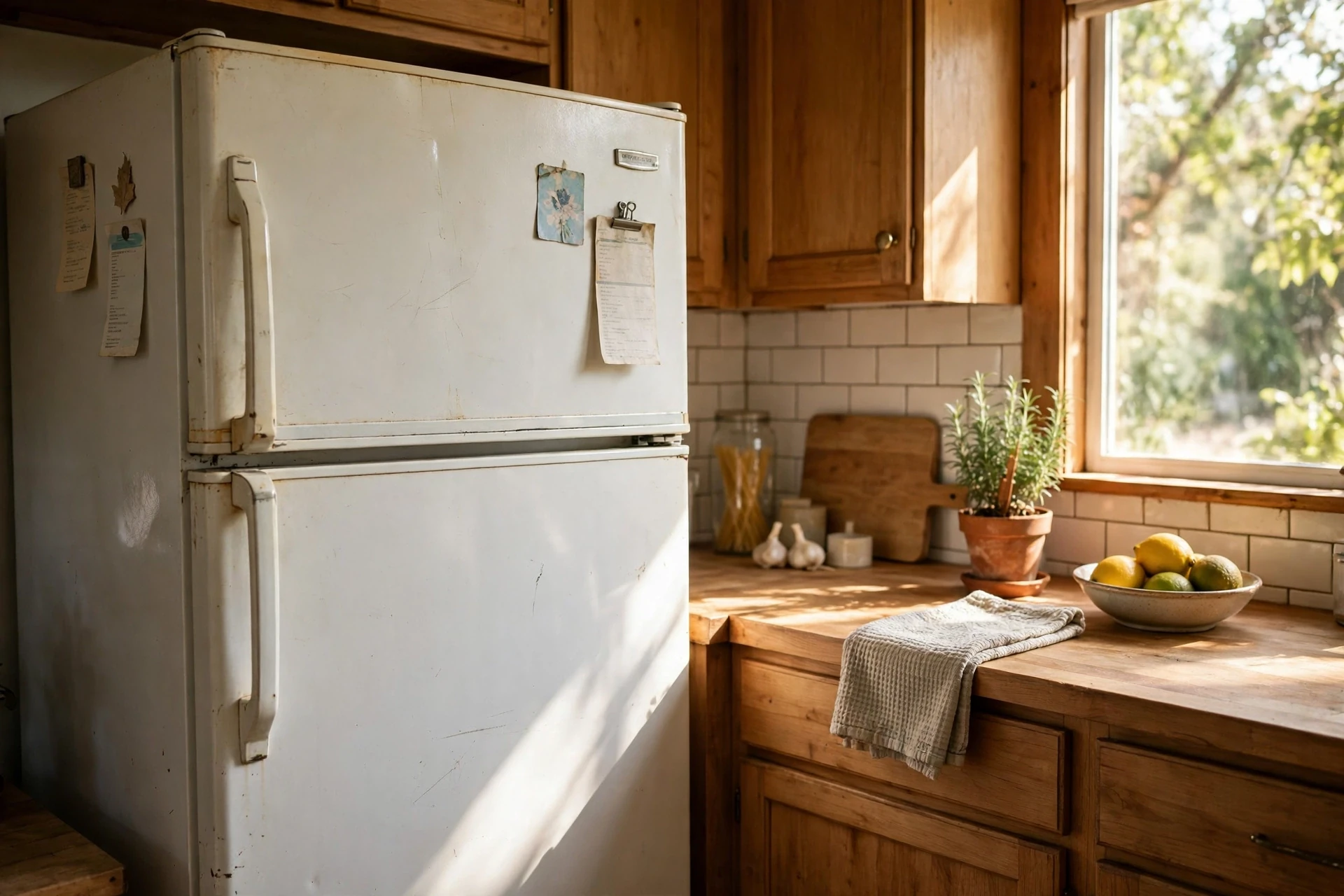
- Over 10 years old: think hard before spending real money — especially if this isn't the first repair
What repairs actually cost (national estimates)
These are general national ranges, not quotes — your actual cost depends on the brand, model, and what's wrong:
- Minor repairs (thermostat, defrost heater, door gasket, start relay): typically $150–$400 nationally
- Mid-range repairs (evaporator or condenser fan motor, control board, ice maker module): typically $250–$600 nationally
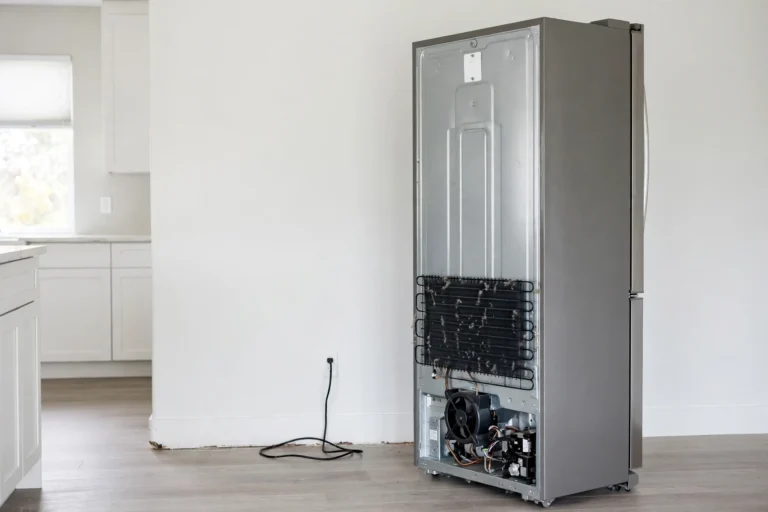
- Compressor replacement (sealed system work): typically $500–$1,000+ nationally, and it requires a certified technician by law
The compressor is the big one. It's the most expensive common repair, and on an older fridge it's often the repair that pushes you past the 50% rule.
Signs your refrigerator is dying
No single symptom means "replace it," but several together paint a clear picture:
- It's over 10 years old and needs a major repair. Age plus a big bill is the classic replace signal.
- Repairs are getting frequent. One repair in 8 years is normal. Three repairs in two years means the unit is telling you something.
- Food spoils faster than it should. If you're throwing away groceries regularly despite correct settings, the cooling system is losing the fight.
- Your electric bill is climbing for no other reason. A dying fridge runs longer and longer to do the same job. An inefficient 14-year-old unit can cost noticeably more per year to run than a modern one.
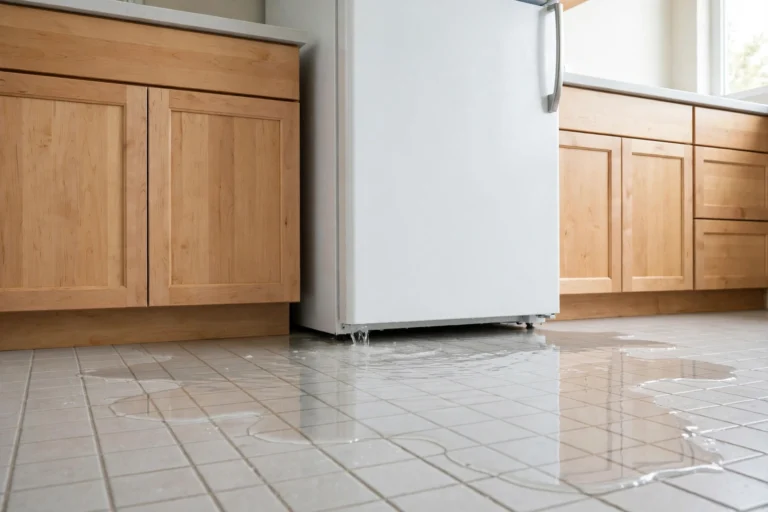
- Excessive condensation or frost that won't quit. Constant sweating on the outside or frost that returns right after defrosting points to failing seals or systems.
- Loud, constant running. A compressor that never cycles off is working at its limit.
When repair is clearly the right call
- The fridge is under 8 years old
- It's the first real problem you've had
- The repair is a single failed part (fan, sensor, heater, relay, gasket)
- The unit is a higher-end model where replacement would cost $2,000+
- You're happy with the fridge otherwise — layout, size, features
A $250 fan motor on a 6-year-old French-door fridge is a no-brainer repair. Don't replace a good unit over a small part.
When replacement makes more sense
- The fridge is 12+ years old and the repair is $400+
- The compressor has failed on an out-of-warranty unit (the most expensive repair, on the oldest part)
- You've had multiple repairs in the last couple of years
- The model has a known chronic defect (some LG linear-compressor models from the mid-2010s, for example)
- Energy costs matter to you — a new ENERGY STAR model can use significantly less electricity than a 15-year-old unit
The Abilene factor
West Texas heat shortens refrigerator life. Units here run longer cycles for more months of the year than the same model would in a mild climate, and dust on condenser coils adds strain. If your fridge has survived 10+ Abilene summers, it's earned its retirement — factor that into the decision rather than comparing strictly to national lifespan averages.
A note on "cooling problems" specifically
If your decision is driven by the fridge not cooling properly, make sure you know what's actually wrong before deciding. A warm fridge with a cold freezer is often a $200 fan or sensor repair, not a dying unit — see our guide to refrigerator not cooling but freezer works for the full diagnostic picture. You don't want to replace a refrigerator over a part that costs less than a grocery run.
The bottom line
Get a proper diagnosis first — you can't apply the 50% rule without knowing the actual repair cost. Then: young fridge + cheap fix = repair. Old fridge + expensive fix = replace. Everything in between comes down to the unit's history and your plans.
For an honest diagnosis and a clear repair quote before you decide, call (325) 339-1818. And if you do decide to repair, our refrigerator repair service in Abilene, TX covers all major brands.
Is it cheaper to repair or replace a refrigerator?
It depends on the age and the repair. Minor repairs ($150–$400) on a fridge under 10 years old are almost always cheaper than replacing. Major repairs ($500+) on a 12-year-old unit usually aren’t — that’s when the 50% rule says replace.
Is a refrigerator worth repairing after 10 years?
Sometimes. A single inexpensive repair (gasket, thermostat, fan) on an otherwise healthy 11-year-old fridge can buy you several more years. But a $600+ repair at that age is usually poor value — put it toward a new, more efficient unit.
How much does refrigerator compressor replacement cost?
Nationally, compressor replacement typically runs $500–$1,000 or more, because it’s sealed-system work that legally requires a certified technician. On an older or lower-cost fridge, this single repair often exceeds the 50% rule.
Is it worth replacing a refrigerator compressor?
On a fridge under 8 years old, especially if the compressor is still under the manufacturer’s extended warranty, usually yes. On a 12-year-old unit out of warranty, usually no — the money is better spent on a replacement.
How do you know if your refrigerator is dying?
The classic signs: it’s over 10 years old, repairs are becoming frequent, food spoils too fast, your electric bill is rising unexplained, and the compressor runs constantly. Two or three of these together mean start shopping.
What’s the average lifespan of a refrigerator?
Typically 10 to 15 years. Higher-end models and well-maintained units trend toward the upper end; units in hot climates or with chronic defects trend lower.