Refrigerator Water Dispenser Not Working: Troubleshooting Guide
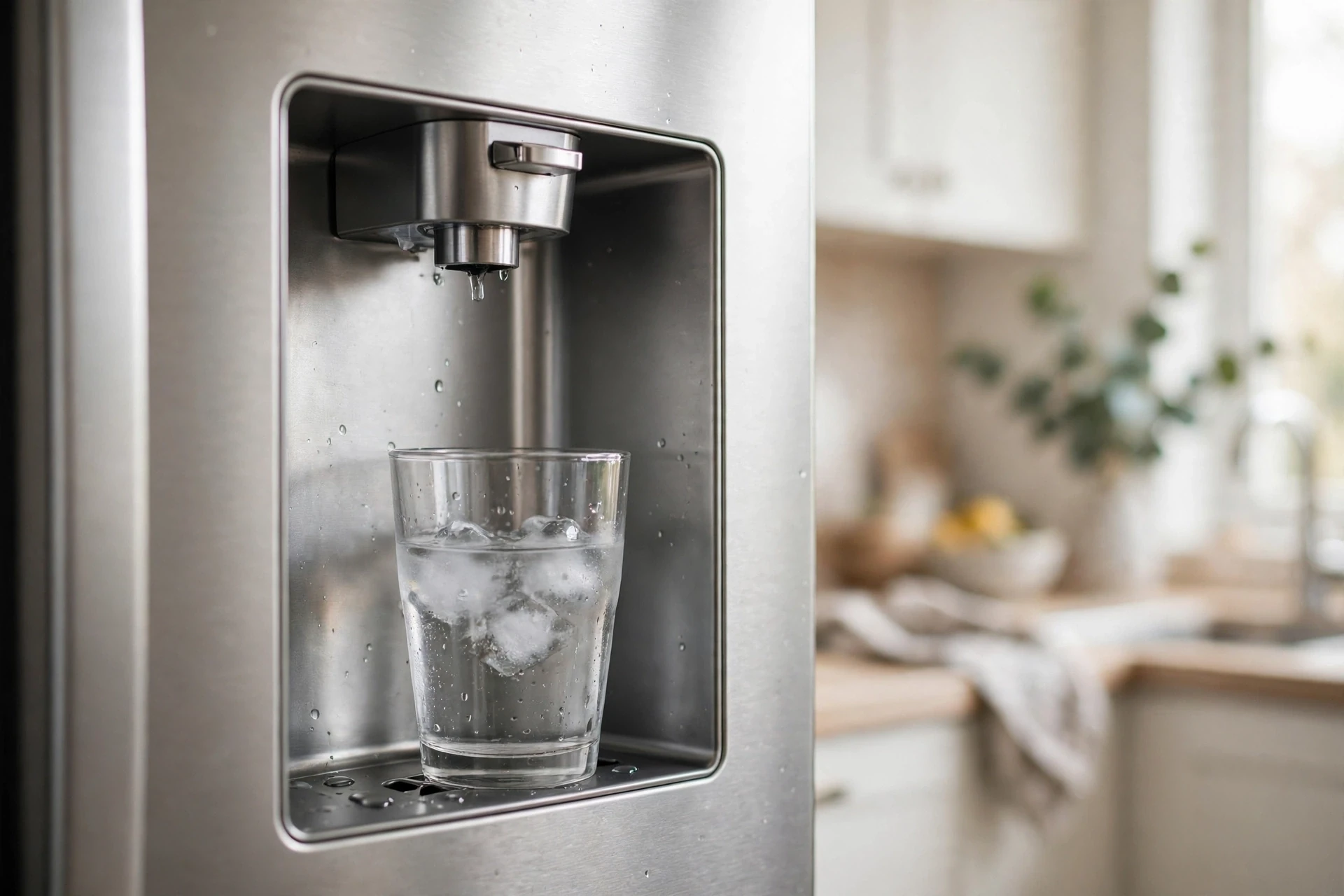
You press the paddle, and… nothing. Or a sad trickle. A dead water dispenser is annoying, but the good news is that most causes are simple — and the fix is often something you can do yourself in a few minutes.
Work through these in order, from most common to least.
Step 1: Check the dispenser lock
Before anything else, look for a lock icon on the dispenser panel. Many refrigerators have a child lock or dispenser lock that disables the water paddle — and it's easy to activate accidentally while wiping down the panel.
If the lock is on, press and hold the lock button for about 3 seconds to release it (check your manual for the exact button). This single step resolves a surprising number of "broken" dispensers.
Step 2: Replace the water filter (or check the one you just installed)
A clogged water filter is the most common real cause of a slow or dead dispenser. Filters should be replaced roughly every 6 months — in areas with hard water, even more often.
Here's the twist that confuses people: dispenser problems that start right after a filter change. If your water flow got worse after installing a new filter, the usual suspects are:
- The filter isn't seated fully — remove it and reinstall it until it clicks firmly into place
- It's the wrong filter model for your fridge (they're not universal)
- A cheap off-brand filter with poor flow characteristics
- The protective caps weren't removed before installation
Always use the filter specified for your exact model. And if you installed a new filter, run a gallon or two of water through the dispenser to purge air from the line — sputtering at first is normal.
Step 3: Check for a frozen water line
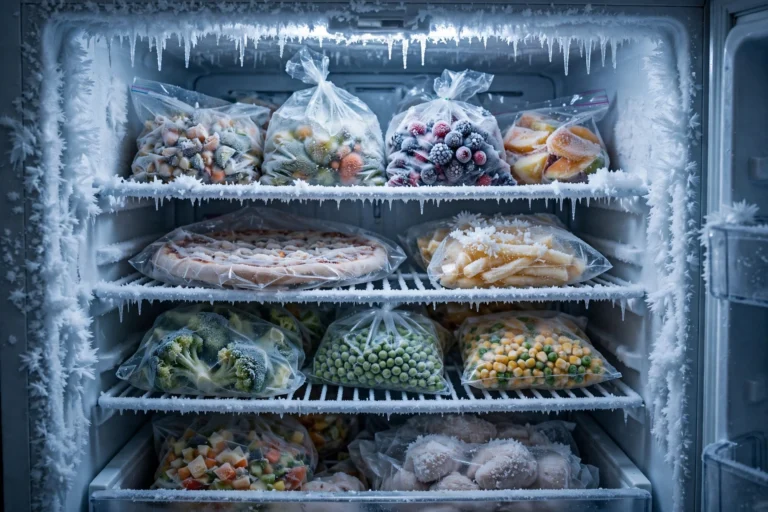
This is the big one, especially in winter or if your freezer is set very cold. The water line runs through the freezer door on many models, and it can freeze solid inside the door where you can't see it.
Signs of a frozen line:
- The dispenser worked fine, then stopped gradually or suddenly with no other changes
- The ice maker still works (or vice versa — they can freeze independently)
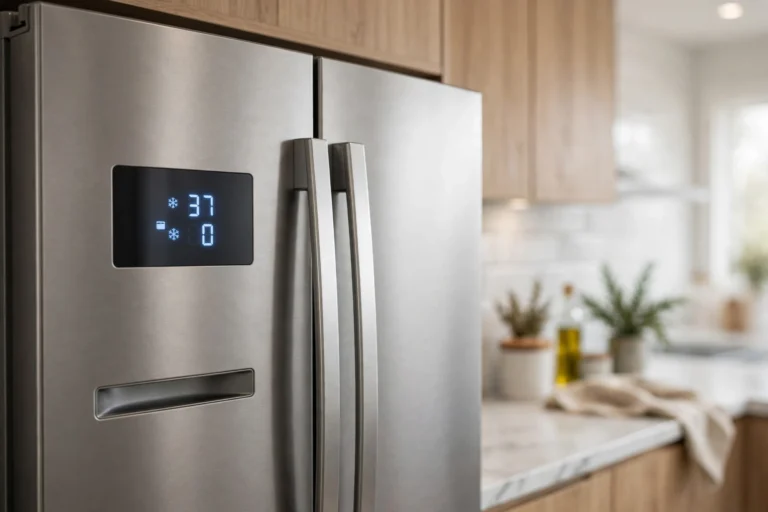
- Your freezer is set below 0°F
How to thaw it safely: the simplest method is to unplug the refrigerator, leave the freezer door open for several hours, and let the line thaw naturally. Some people have luck holding a warm (not hot) damp towel against the inside of the freezer door where the line runs. Never use a hair dryer on high heat or anything that could damage the door liner.
Once water flows again, consider nudging the freezer temperature up slightly — 0°F is the target; colder than necessary just invites refreezing.
Step 4: Make sure the water supply is actually on
Trace the water line from the back of the fridge to where it connects to your household supply (usually under the sink or in the basement). Check:
- The supply valve is fully open (turn it counterclockwise)
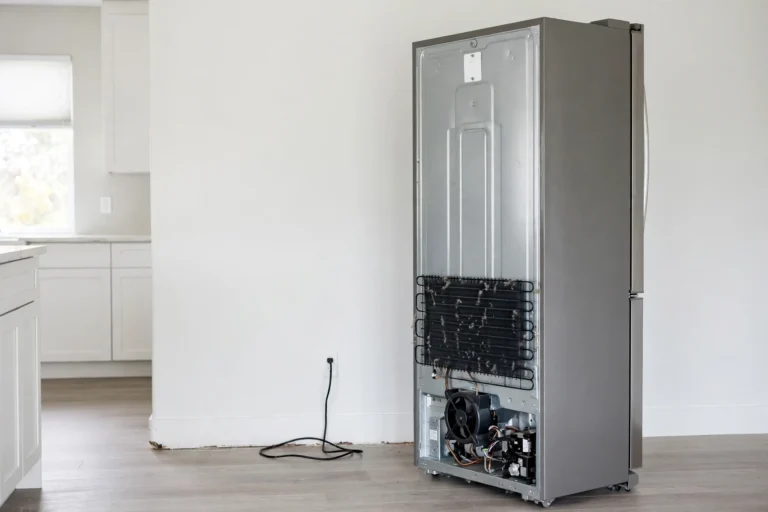
- The line isn't kinked or crushed behind the fridge — pull the unit out carefully and look
- If your home has a saddle valve (the clamp-on type), these are notorious for clogging with mineral buildup over the years
No water reaching the fridge means no water at the dispenser, no matter what else you fix on the fridge.
Step 5: Test the water inlet valve
The inlet valve at the back-bottom of the fridge opens electrically to let water in when you press the paddle. If you press the dispenser and hear nothing — no hum, no click — the valve may not be getting power or may have failed. If you hear it hum but no water comes out, the valve may be clogged.
Valve replacement involves both water and electrical connections. The part itself is inexpensive, but if you're not comfortable with that combination, it's a quick job for a technician.
Step 6: Check water pressure
Refrigerator dispensers need adequate household water pressure to work — typically around 20–120 psi, with most homes in the 40–60 range. If your whole house has weak water pressure, the dispenser will trickle no matter what you fix on the fridge. A reverse-osmosis system connected to the fridge line can also starve it of pressure unless it's set up correctly.
A note on the water tank
Some models hold a small reservoir tank of chilled water (often behind the crisper drawers or in the fridge door). If the tank itself is frozen — from the fridge being set too cold — the dispenser goes dry even though everything else works. Letting the fridge section warm slightly and giving it time usually resolves this.
When to call a technician
Call if you've worked through the steps above and the dispenser is still dead, if the inlet valve needs replacing and you'd rather not DIY it, or if the problem involves anything electrical beyond a simple unplug-and-wait. Dispenser issues share parts with ice maker and leak problems, so a single service visit can sort out several issues at once.
For professional refrigerator repair in Abilene, TX, call (325) 339-1818.
What should I do if the water dispenser is not dispensing water?
Check the dispenser lock first, then the water filter, then for a frozen line in the freezer door, then the household supply valve and line for kinks. Those four checks resolve the large majority of cases.
Why is my fridge water dispenser slow?
Usually a clogged filter or low water pressure. Replace the filter with the correct model for your fridge, make sure it’s fully seated, and check that your home’s water pressure is adequate. A filter that’s overdue for replacement is the number-one cause of slow flow.
My dispenser stopped working right after I changed the filter. What happened?
The new filter probably isn’t seated correctly, is the wrong model, or still has air trapped in the line. Reseat it until it clicks, confirm it’s the right part number, and run a gallon or two through the dispenser to purge air.
I’ve defrosted for 24 hours and still no water. Now what?
If a full defrost didn’t restore flow, the problem likely isn’t a frozen line — suspect the water inlet valve, a kinked or clogged supply line, or inadequate water pressure. The next step is checking the valve and the supply line behind the fridge.
How long does it take for the dispenser to work after a fix?
After clearing a frozen line or replacing a filter, water should flow immediately once you purge the air — run the dispenser for a minute or two. If you replaced the inlet valve, same story: it should work right away.
Where is the water tank in my refrigerator?
It varies by model — commonly behind the crisper drawers, mounted inside the fridge door, or along the back wall of the fresh-food section. Your owner’s manual shows the exact location. If the tank area feels frozen solid, the fridge may be set too cold.