Washing Machine Won’t Drain? Here’s How to Find the Problem
Washing Machine Won’t Drain? Here’s How to Find the Problem
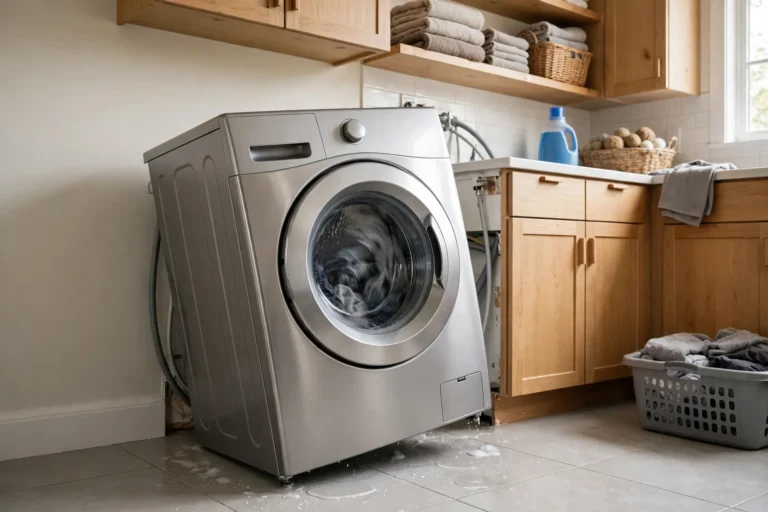
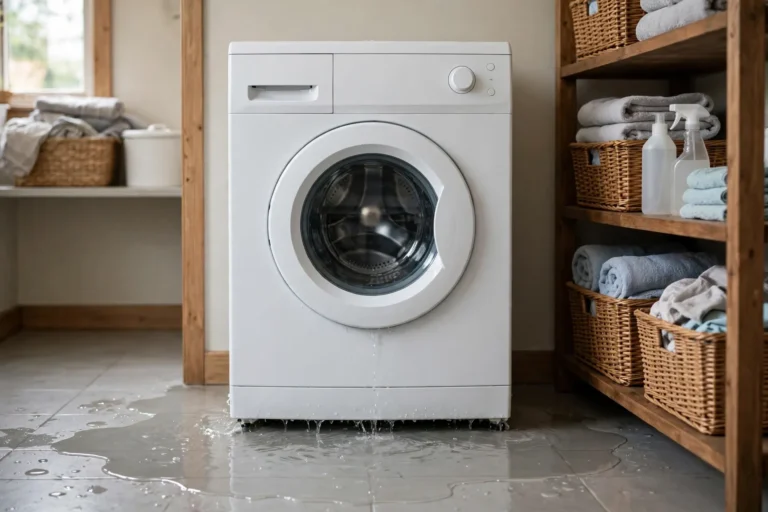
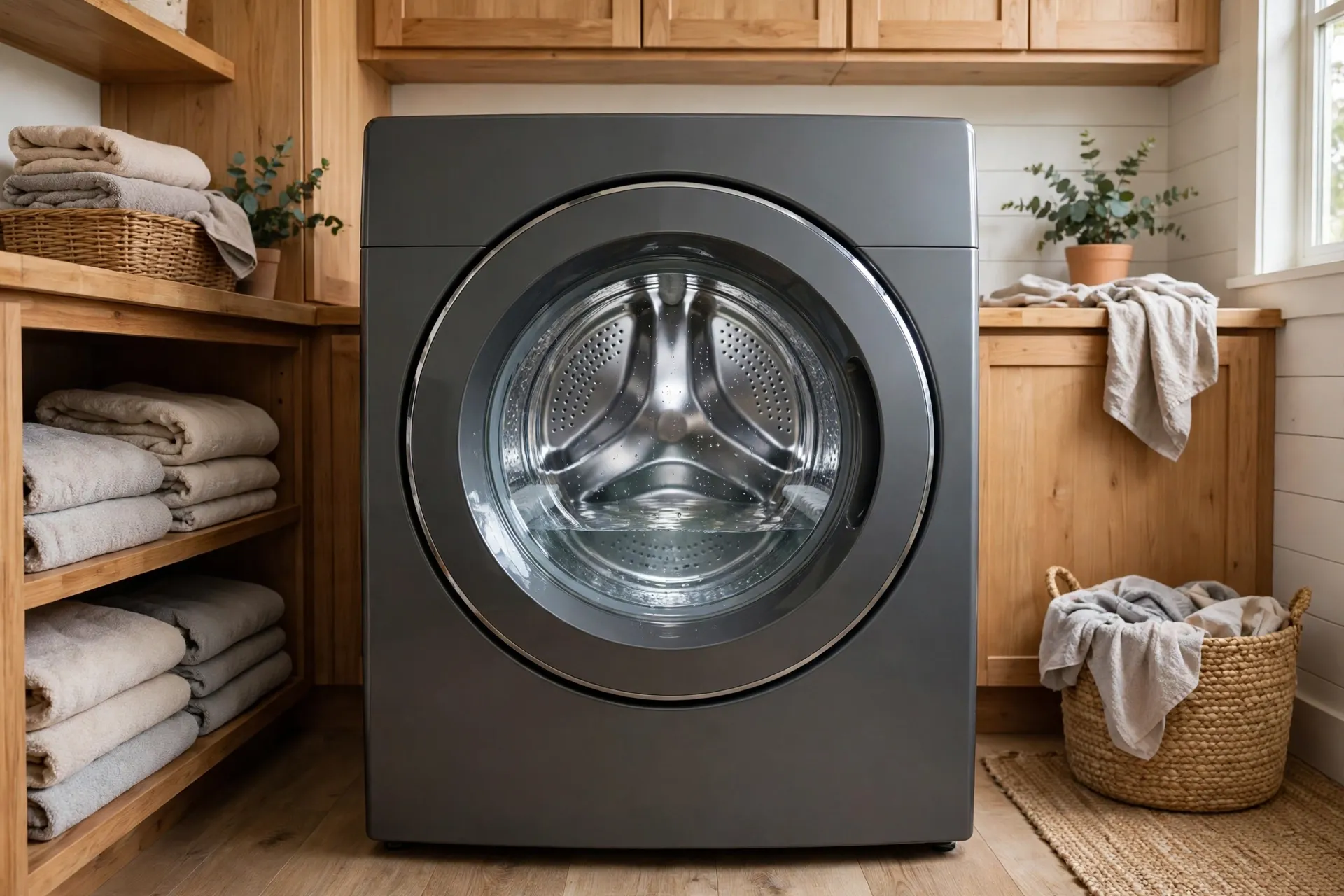
You open the washer expecting clean clothes, and instead you find them sitting in a pool of water. The cycle seems finished, but the water never left the drum. It is a frustrating problem, and one of the most common washer complaints.
Usually the cause is simple: something is blocking the water’s path out, the pump is not doing its job, or the machine does not know it is safe to drain.
First, Get the Water Out Safely
Before you check anything, unplug the washer — do not reach into standing water while it is plugged in.
Scoop or bail as much water as you can into a bucket, then use towels for the rest. If your washer is a front-loader with a small filter door near the bottom front, place a shallow pan and towels under it before you open anything, because more water will come out.
1. A Clogged Pump Filter (Coin Trap)
This is the most common cause, and the easiest to fix. Most front-load washers, and some top-loaders, have a small pump filter behind a door near the bottom front. It catches coins, hairpins, buttons, socks, and lint before they reach the pump.
Open the filter door and unscrew the filter slowly over a pan. Rinse it under running water and put it back firmly — a loose filter can leak.
In Abilene, hard water can also leave mineral buildup around the filter and pump area over time, so checking the filter every few months prevents many drain problems.
If the water is on the floor instead of standing in the drum, see our guide to washing machine leaking water.
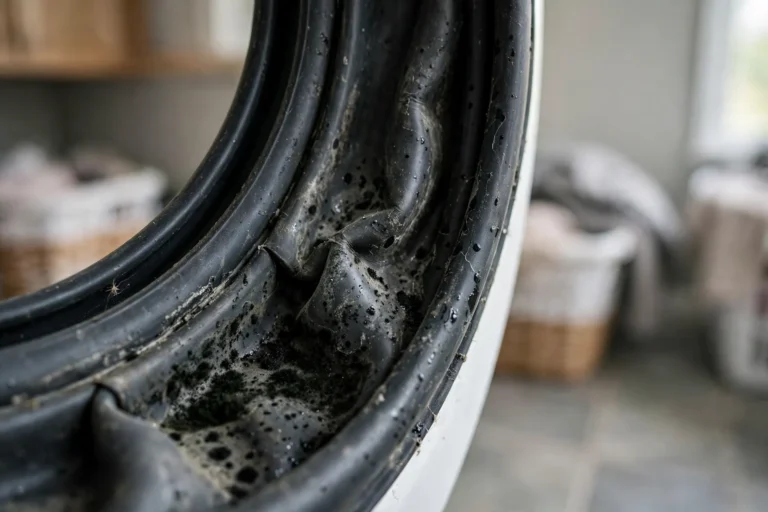
If the pump filter area smells bad, see our guide to front-load washer smells and mold.
2. A Kinked or Clogged Drain Hose
The drain hose carries water from the washer to the standpipe or laundry tub. If the washer was pushed back too far against the wall, the hose may be kinked flat. Pull the machine out carefully and check its full length for sharp bends, crushing, or damage.
A hose can also clog inside from lint and detergent residue. Disconnecting a hose can release trapped water, so keep towels and a bucket nearby, and only do this if you feel comfortable with it.
3. A Failed Drain Pump: Humming vs. Silent
Here is a useful clue: listen to the pump during the drain part of the cycle.
If the pump hums but nothing moves, it is getting power but cannot push the water. That often means something is stuck in the pump, or the pump’s impeller is damaged.
If the pump is completely silent, it may not be getting power, or the motor may have failed — more likely an electrical problem than a blockage.
Either way, a failed drain pump is a part replacement, not a cleaning job. Note what you hear, because it helps a technician diagnose the problem faster.
4. A Faulty Lid Switch
On a top-load washer, the lid switch tells the machine the lid is closed. If it fails, the washer may fill and wash but refuse to drain or spin, because it thinks the lid is still open.
Try this: with the washer plugged back in, open and close the lid firmly and listen for a small click. If there is no click, or the machine behaves the same no matter what you do with the lid, the switch may be worn out. Reaching it usually means opening the washer’s top panel, which is best left to a technician if you are not comfortable with it.
The lid switch also affects spinning. If your washer drains but clothes come out soaking wet, that is a different symptom — see our article on washing machine not spinning.
5. A Standpipe or House-Drain Clog
Sometimes the washer is fine, and the problem is further down the line. If water backs up into the laundry tub, or other drains in the house are slow too, the clog may be in the standpipe or the house drain.
One useful test: run a nearby sink and see if it drains slowly as well. If it does, the problem is in your home’s plumbing, not the washer — a plumber’s job, not an appliance repair. If only the washer backs up, the blockage is likely in the washer’s own hose or pump.
When to Call a Technician
Call a technician if any of these apply:
- The pump filter and hose are clear, but the washer still will not drain.
- The pump hums but moves no water, or stays silent during the drain cycle.
- The lid switch shows no click, or the washer ignores the lid completely.
- Water keeps returning, smells bad, or leaks onto the floor.
- You are not comfortable opening panels or disconnecting hoses.
A technician can test the pump, lid switch, and control parts safely. Repair cost varies by part and model, so ask for an estimate before work begins.
Frequently Asked Questions
Why won’t my washing machine drain the water?
The most common causes are a clogged pump filter, a kinked or clogged drain hose, a failed drain pump, a faulty lid switch, or a clog in the standpipe or house drain. Check the filter and hose first, since those are the easiest fixes.
How do I get the water out of a washer that won’t drain?
Unplug the washer first, then bail water out with a bucket or large cup. Use towels for what is left. On a front-loader, open the small filter door at the bottom front over a shallow pan, since more water will drain out there.
Is it the pump or the drain?
Listen during the drain cycle. A pump that hums but moves nothing usually has something stuck in it or a damaged impeller. A silent pump may not be getting power or may have a failed motor. If other drains in the house are slow too, the clog is likely in the house drain.
Can I keep using the washer if it drains slowly?
It is best not to. Slow draining strains the pump and leaves dirty water sitting in your clothes, and it tends to get worse, not better. Find the blockage or get it checked before running more full loads.
Where is the pump filter on my washing machine?
On most front-load washers, it is behind a small door near the bottom front. Some top-loaders have one too. Check your model’s manual if you cannot find it, and place a pan underneath before opening it.
Why does my washer drain fine sometimes but not others?
An intermittent problem often points to something moving around inside — a small item that sometimes blocks the pump filter, or a hose that kinks only when the machine shifts. A lid switch that works only sometimes can do this too.
Need Help in Abilene?
If you have worked through these checks and your washer still will not drain, a local technician can take it from here. For washing machine repair in Abilene, TX, see our washing machine repair page or call (325) 339-1818.
*Note: if your drain problem started after a freeze, see our article on washing machine frozen pipes instead, since frozen drain parts need a different approach.*
Why won’t my washing machine drain the water?
The most common causes are a clogged pump filter, a kinked or clogged drain hose, a failed drain pump, a faulty lid switch, or a clog in the standpipe or house drain. Check the filter and hose first, since those are the easiest fixes.
How do I get the water out of a washer that won’t drain?
Unplug the washer first, then bail water out with a bucket or large cup. Use towels for what is left. On a front-loader, open the small filter door at the bottom front over a shallow pan, since more water will drain out there.
Is it the pump or the drain?
Listen during the drain cycle. A pump that hums but moves nothing usually has something stuck in it or a damaged impeller. A silent pump may not be getting power or may have a failed motor. If other drains in the house are slow too, the clog is likely in the house drain.
Can I keep using the washer if it drains slowly?
It is best not to. Slow draining strains the pump and leaves dirty water sitting in your clothes, and it tends to get worse, not better. Find the blockage or get it checked before running more full loads.
Where is the pump filter on my washing machine?
On most front-load washers, it is behind a small door near the bottom front. Some top-loaders have one too. Check your model’s manual if you cannot find it, and place a pan underneath before opening it.
Why does my washer drain fine sometimes but not others?
An intermittent problem often points to something moving around inside — a small item that sometimes blocks the pump filter, or a hose that kinks only when the machine shifts. A lid switch that works only sometimes can do this too.