Dishwasher Making Loud Noises? A Sound-by-Sound Guide for Abilene, TX
Start with the sound, not the part
“Why is my dishwasher making a loud grinding noise?” It is one of the most common dishwasher questions. A dishwasher sounds different at each stage of the cycle, and each sound points to a different part. Find your sound below, note when it happens, and try only the safe checks listed.
First, pin down when the noise happens
Note when it happens: noise only during fill points to the water inlet, only during drain to the drain pump, and all through the wash to the circulation pump or spray arms.
Grinding or scraping: pump bearings or debris in the sump
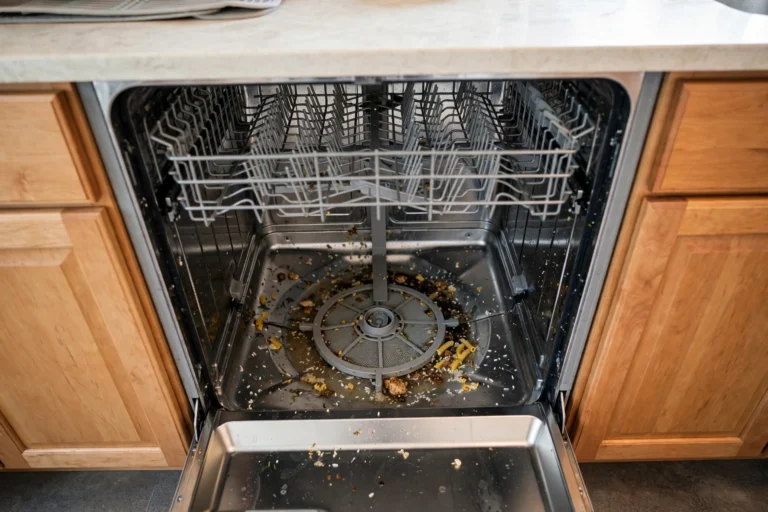
A harsh grinding sound during the wash usually traces to the circulation pump area. Worn bearings turn the pump’s smooth spin rough and loud. Debris is the other cause: food, glass, or a bone can pass the filter into the impeller. Switch the power off, clean the filter, and look for debris you can reach without opening the machine. If grinding continues with a clean filter, the fault is deeper inside — technician work. Pump wear can also go with a leaking seal, as covered in our guide to a dishwasher leaking water.
Humming or droning during the wash: the circulation pump motor
A steady hum or drone through the wash often comes from the circulation pump motor, which pushes water up through the spray arms for the whole wash. When the motor wears or strains, its normal hum gets louder and lower. Ask first: are the dishes still getting clean? If the hum has grown louder and dishes are coming out dirtier, the pump may not be moving water strongly enough. There is no safe homeowner fix inside the pump.
Buzzing during drain: the drain pump or debris
A buzz only when the dishwasher drains points to the drain pump, which pushes dirty water out at the end of the wash and rinse stages. When debris jams its impeller, the motor buzzes against the blockage; when the motor itself wears out, it can buzz and move little or no water. Key check: after the cycle ends, is there standing water left in the tub? If buzzing plus standing water continue with a clean filter, the drain pump or its path is the likely problem — and pump work means opening the machine.
Buzzing or hammering during fill: the inlet valve or water hammer
A buzz or sharp hammering only while the dishwasher fills points to the water inlet side. A worn or partly blocked inlet valve can buzz as water forces its way through. A separate cause is water hammer: a banging in the pipes when the valve snaps shut — a plumbing sound, not a dishwasher part failing. Make sure the supply valve is fully open, and listen for whether the hammering comes from the pipes in the wall. If the fill buzz continues, a technician or plumber should look at it. Do not adjust or replace the inlet valve yourself — a mistake there can cause a leak.
Rattling or clacking: loose items hitting the spray arms
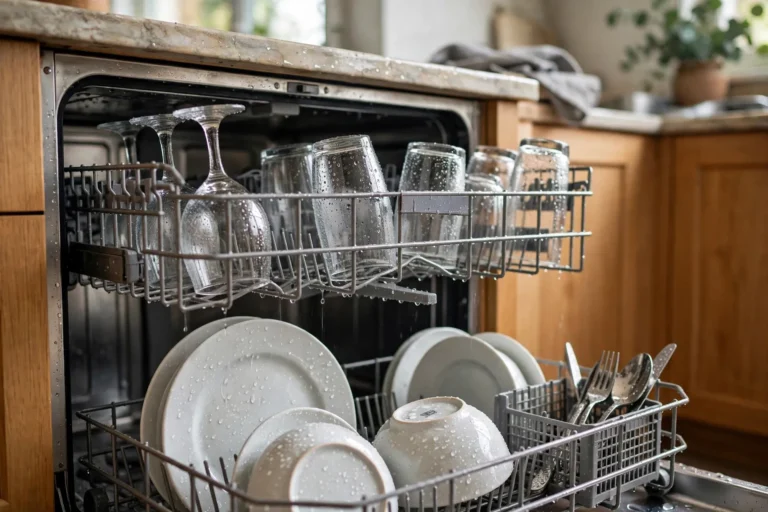
Rattling and clacking are the most common dishwasher noises, and usually the least serious. Loose utensils can slip through the rack, and small lids and light plastic items can flip over into the path of a spinning spray arm. Test this easily: stop the cycle, check for anything loose in the tub or hanging through the rack, and spin each spray arm by hand — it should turn freely. Reload so light items are secured and nothing hangs below the rack. If the rattle stops, the load was the cause; if it continues, check for a cracked spray arm.
Thumping: a tall item blocking a spray arm
A dull, steady thump through the wash usually means a tall item is blocking a spray arm. A large cutting board, a tall pot, or a baking sheet loaded upright can stick up into the arm’s path, and nearby dishes often come out dirty because the blocked arm cannot spray past it. Check clearance before you start: spin both spray arms by hand after loading. If either arm catches, move that item or lay it flat.
Squealing: pump bearings wearing out
A high-pitched squeal is less common than a grind, but it points to the same area: pump bearings. As bearings wear, they can squeal instead of grinding. A squeal on every cycle that slowly gets louder over a few weeks fits this pattern. There is no homeowner fix for worn bearings — bearings only wear in one direction, worse. If the squeal is paired with weaker cleaning or a new grinding sound, the pump may be close to failure.
Clicking or snapping: often normal, sometimes a fault
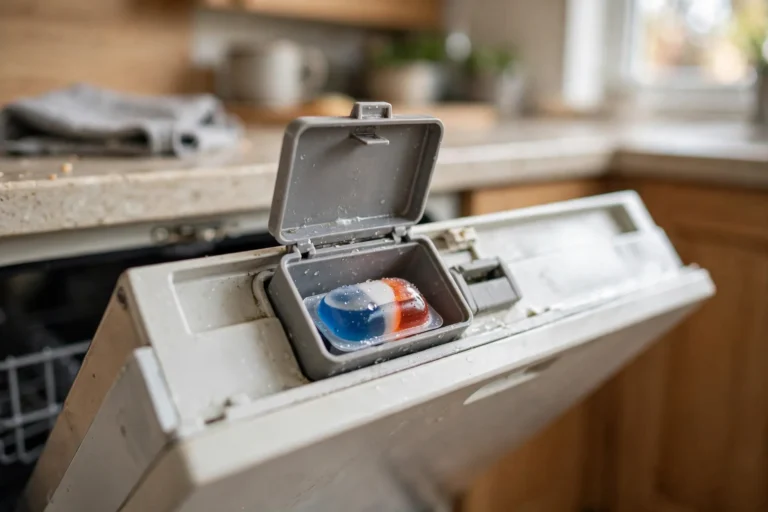
Clicking and snapping worry a lot of homeowners, but much of it is normal. The detergent dispenser cup snaps open at a set point in the cycle, and solenoids — small switches that open valves and move parts — also click as they work. A few single clicks at the start, during the wash, and at the drain are normal. Rapid, repeated clicking, clicking paired with the dishwasher stopping or failing to fill, or clicking when the dispenser cup never opens all point to a fault.
When to call a technician
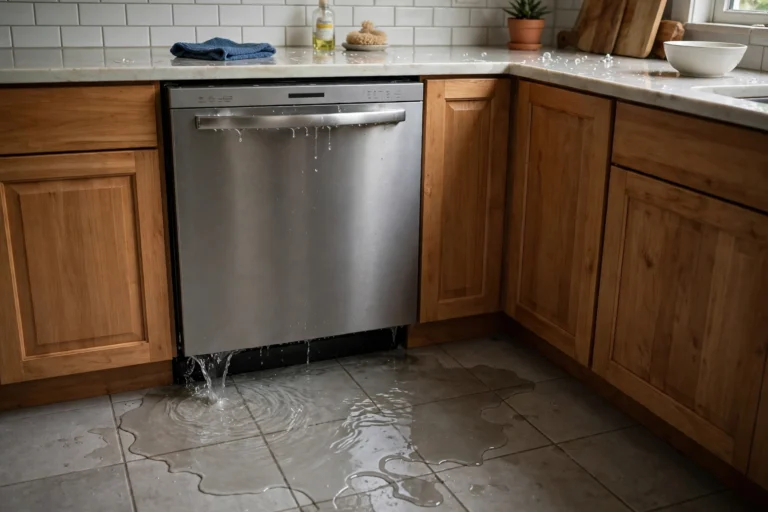
Call a professional if the noise continues on every cycle after you have checked loading, the filter, and spray-arm clearance; if the sound is grinding, squealing, or getting worse week by week; if you suspect the circulation pump, drain pump, pump bearings, or inlet valve; or if the noise is paired with standing water, dirty dishes, or water under the machine. Stop using it if you hear harsh grinding paired with a burning smell, or see water leaking from underneath.
Frequently asked questions
Why is my dishwasher making a loud grinding noise?
Grinding during the wash usually means worn pump bearings or debris in the pump. Clean the filter first; if it continues every cycle, call a technician.
Why is my dishwasher humming loudly during the wash?
A steady hum through the wash often comes from a wearing circulation pump motor. If cleaning has also gotten worse, the pump may be moving water too weakly.
Why does my dishwasher buzz only when it drains?
Buzzing only during drain points to the drain pump or debris jamming its impeller, especially if standing water is left in the tub.
Why does my dishwasher bang or hammer when it fills?
Banging during fill can be water hammer in the pipes, or a worn or partly blocked inlet valve. Check that the supply valve is fully open first.
Why is my dishwasher rattling?
Rattling is usually loose utensils or light items hitting the spray arms. Spin each arm by hand and reload so nothing hangs below the rack.
Is a clicking dishwasher normal?
Often, yes. The detergent cup snapping open and solenoids switching make normal clicks. Rapid, repeated clicking, or clicking paired with a cycle that stops, points to a fault.
Dishwasher noises tell you which part is struggling — match the sound and the cycle stage first. For dishwasher repair in Abilene, TX, call (325) 339-1818 to schedule a visit.
Why is my dishwasher making a loud grinding noise?
Grinding during the wash usually means worn pump bearings or debris in the pump. Clean the filter first; if it continues every cycle, call a technician.
Why is my dishwasher humming loudly during the wash?
A steady hum through the wash often comes from a wearing circulation pump motor. If cleaning has also gotten worse, the pump may be moving water too weakly.
Why does my dishwasher buzz only when it drains?
Buzzing only during drain points to the drain pump or debris jamming its impeller, especially if standing water is left in the tub.
Why does my dishwasher bang or hammer when it fills?
Banging during fill can be water hammer in the pipes, or a worn or partly blocked inlet valve. Check that the supply valve is fully open first.
Why is my dishwasher rattling?
Rattling is usually loose utensils or light items hitting the spray arms. Spin each arm by hand and reload so nothing hangs below the rack.
Is a clicking dishwasher normal?
Often, yes. The detergent cup snapping open and solenoids switching make normal clicks. Rapid, repeated clicking, or clicking paired with a cycle that stops, points to a fault.